Startups
Nov 26, 2022
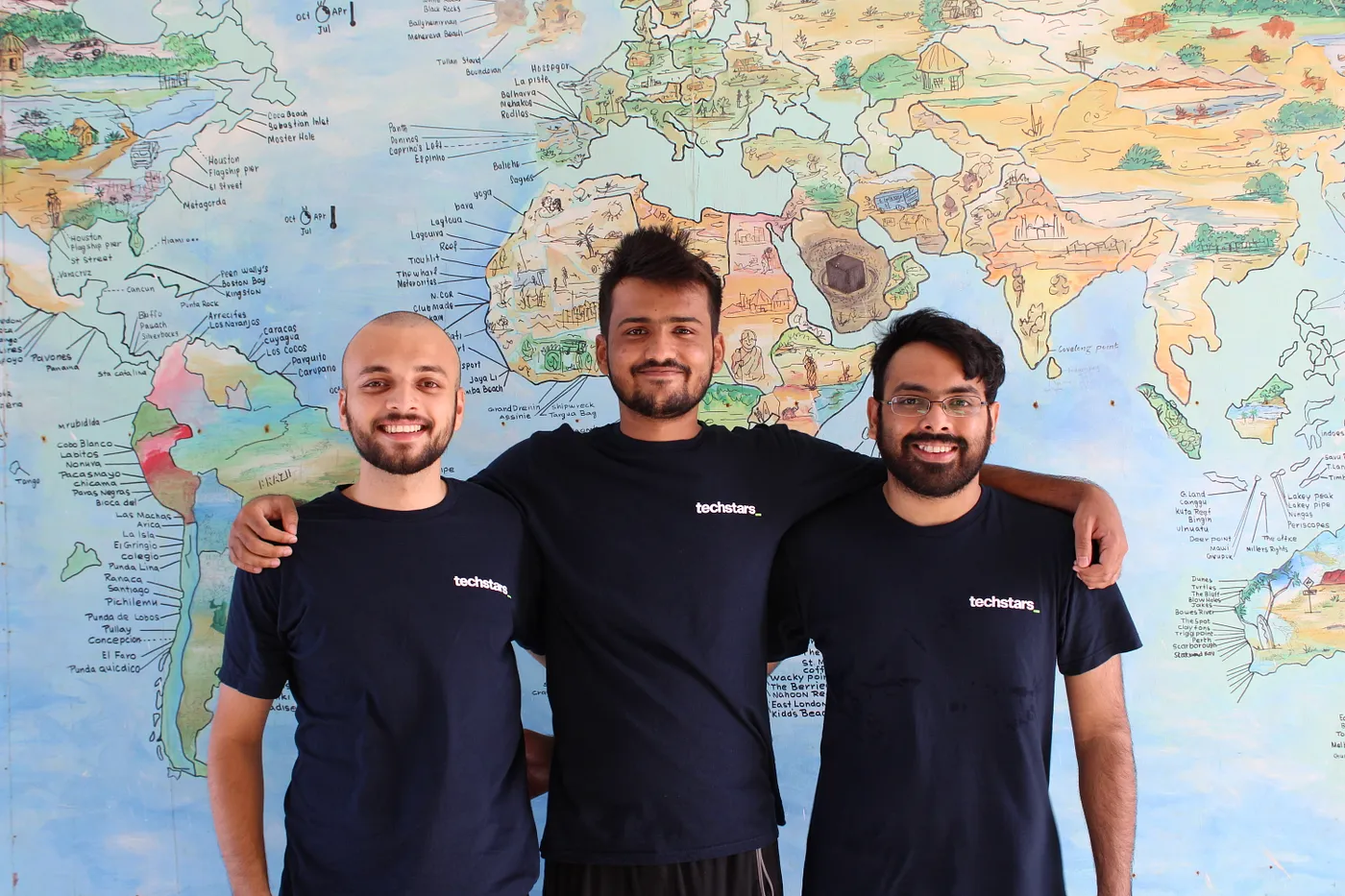
For the first two years of NimbleBox.ai, we were three guys building a business out of a hacker house in Chennai. No funding, no glamour — just making a product and selling it. For us, only one thing mattered: Sustenance.
Each of us took charge of specific verticals, from sales and marketing to customer support and product development. While we could hire more people to distribute the workload at that point, we weren’t ready for the risks associated with it — payroll, benefits, runway, etc. At a time when we were investing all our revenue back into the company to reach certain financial milestones, it was pretty daunting.
In 2020, we got accepted to Techstars. Our risk appetite increased marginally by receiving our very first investment into the company. We onboarded our first engineers to assist us in shipping features and squashing bugs faster. However, our biases from the bootstrapping days remained. We wanted to maximize the runway with the investment we had received, which meant not growing as quickly as onboarding people across verticals and dividing the workload.
In 2021, we raised our seed round. Our risk appetite increased further — onboarding team members across verticals to get the ball rolling in those functions.
We further rounded in on our vision for the company, worked backward, and started building towards it.
Our frugality remains, but we’re now taking risks we would have never taken as a bootstrapped company. It only took a shift in our mindset over four years to come to this point. At the core, while sustenance is still our priority, growth is equally important. It’s exhilarating to build and sell a part of our vision daily.
What were my learnings?
From my experience and having interacted with many founders, I’ve noticed that a bootstrapped founder’s mindset is fundamentally different from a VC-backed founder’s.
The average bootstrapped founder:
Has lesser risk appetite in terms of growth. They do, however, have a lot of risks financially.
Focuses on profits a lot more than growth.
Is extremely frugal. They’re more prone to figuring things out in-house than onboarding experts.
Most VC-backed founders:
Have a higher risk appetite because of the significant de-risking by investors.
Chase growth at the cost of profits.
Would rather onboard experts to build processes for quicker execution.
While this may be the case today, I understand this is very subjective and may include a few biases of my own. It will take another couple of years for me to understand, learn and unlearn in order to form a definite opinion. Until then, we keep at it every single day :)